


Brake Fluids
Stop with confidence
Reliable braking, every time
myTVS DOT 3 & DOT 4 glycol-based brake & clutch fluids — high boiling point, consistent performance for bikes, cars and trucks.
Safe Braking
High Boiling Point
Brake & Clutch
DOT
3 & 4 Grades
Brake Fluids
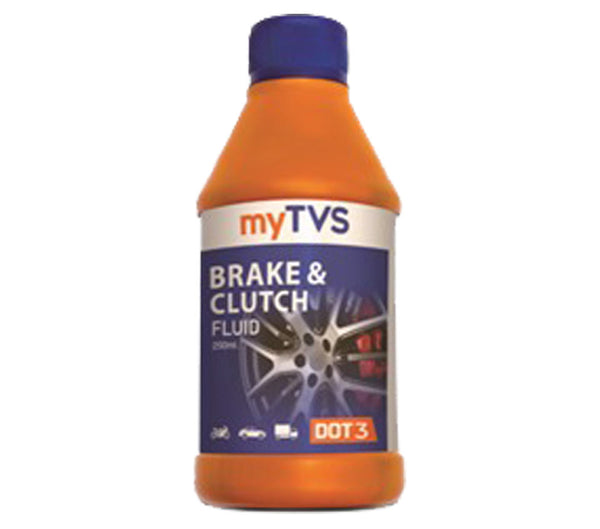
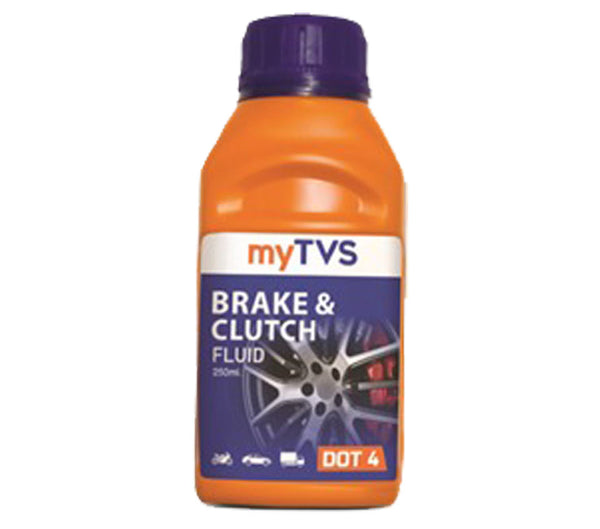
Not sure what to pick?
How to Choose the Right Brake Fluid
DOT 3 or DOT 4? We explain boiling points, vehicle compatibility and when to change your brake fluid so you pick the right grade.
Shop Brake Fluids
Why Choose Us
The myTVS Brake Fluid Advantage
Reliable Braking PerformanceHigh, consistent boiling points keep your brakes responsive under heat and hard braking.
100% Genuine myTVSGenuine myTVS brake & clutch fluids, made and tested for Indian roads and vehicles.
Free & Fast ShippingQuick doorstep delivery across India, with Cash on Delivery available.
Easy 7-Day ReturnsChanged your mind? Hassle-free returns within 7 days of delivery.

Got Questions?
Frequently Asked Questions
What's the difference between DOT 3 and DOT 4?
Both are glycol-based brake fluids. DOT 4 has a higher boiling point (around 230°C dry vs 205°C for DOT 3), so it copes better with heat from hard or frequent braking. Always use the grade your vehicle manufacturer specifies.
Which grade should I use for my vehicle?
Use the DOT grade printed on your brake fluid reservoir cap or in your owner's manual. You can usually step up to a higher grade (DOT 4 in place of DOT 3) but not down — check your manual first.
Can I use it as clutch fluid too?
Yes — myTVS DOT 3 and DOT 4 work as both brake and clutch fluid for bikes, cars and trucks.
How often should brake fluid be changed?
Brake fluid absorbs moisture over time, which lowers its boiling point. Most manufacturers recommend changing it every 2 years, or as specified in your service schedule.
Can I mix DOT 3 and DOT 4?
DOT 3 and DOT 4 are both glycol-based and generally compatible, but it's best to use a single grade and not mix them. Never mix with DOT 5 (silicone-based).
How do I top up brake fluid?
Clean around the reservoir cap, top up to the MAX line with the correct DOT grade, and avoid spills (brake fluid can damage paint). A professional flush and bleed is recommended for a full change.